Skip to content





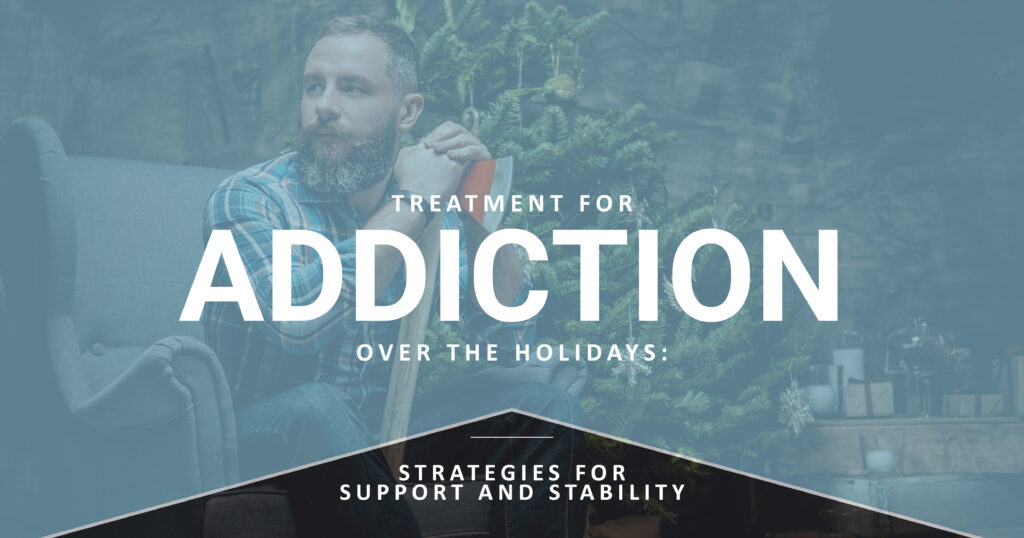
The holiday season presents unique challenges for anyone in recovery from addiction. While others celebrate with champagne toasts and festive gatherings where alcohol flows freely, those maintaining sobriety must navigate an environment filled with potential triggers and social pressure. Treatment for addiction over the holidays requires proactive planning, strong support systems, and compassionate self-awareness to protect the progress you have worked so hard to achieve.
The period between Thanksgiving and New Year represents the highest-risk time for relapse, with statistics showing significant increases in substance use during these weeks. Family stress, disrupted routines, emotional intensity, and the cultural normalization of drinking all contribute to this vulnerability. However, with proper preparation and support, the holidays can also become an opportunity to strengthen your recovery and create meaningful celebrations that do not center on substances. This guide offers practical strategies for maintaining stability and finding genuine joy throughout the season.
Holiday Relapse Prevention Strategies and Warning Signs
Holiday relapse prevention begins with an honest assessment of your vulnerabilities and the development of specific plans to address them. General intentions to stay sober rarely withstand the pressure of actual triggering situations; concrete strategies provide the structure needed when willpower wavers. Understanding that relapse typically follows a progression of warning signs rather than occurring suddenly allows you to intervene early before a full return to substance use.
Warning signs often begin with changes in attitude and emotional state weeks before any actual substance use occurs. Increased irritability, isolation from support systems, romanticizing past use, and neglecting recovery practices all signal that your foundation is weakening. Physical warning signs may include disrupted sleep, changes in appetite, and decreased attention to self-care. Recognizing these patterns in yourself, or accepting feedback from others who notice them, creates opportunities for course correction.
Coping with Triggers During Gatherings and Travel
Coping with triggers requires both preventive strategies and in-the-moment techniques for managing cravings when they arise despite preparation. Before attending any gathering, assess the level of risk it presents and ensure your coping resources match the challenge. Higher-risk events warrant additional preparation, shorter attendance, and readily available exit options.
| Trigger Type | Coping Strategy | When to Use |
| Offered a Drink | Prepared refusal statement, non-alcoholic beverage in hand | Any social gathering where alcohol is served |
| Emotional Overwhelm | Step outside, call the sponsor, use breathing techniques | When feelings become intense during events |
| Environmental Cues | Change location within the venue, focus on safe people | When surroundings trigger cravings |
| Social Pressure | Excuse yourself, use an ally for support, leave early | When others push substances or question sobriety |
| Travel Stress | Maintain routine elements, attend meetings en route | During extended travel to holiday destinations |
Holiday travel presents particular challenges as it removes you from your usual support systems and routines. Long hours in airports or cars, staying in unfamiliar places, and separation from your regular meeting schedule all increase vulnerability. Planning how you will maintain recovery practices while traveling, including identifying meetings at your destination, provides continuity that protects your stability.
When cravings arise despite preparation, having practiced responses ready allows you to act effectively even when your thinking is compromised. The urge surfing technique involves observing cravings as waves that rise and fall without requiring action—simply noticing the craving without fighting it often allows it to pass naturally. Calling your sponsor or a supportive friend immediately when cravings intensify provides external support during vulnerable moments.

Sober Holiday Activities That Support Connection and Joy
Sober holiday activities demonstrate that celebration and connection do not require substances. Many people in early recovery fear that holidays without alcohol or drugs will feel empty and joyless, yet countless individuals in long-term recovery report experiencing more genuine enjoyment than they ever did while using. The key lies in intentionally creating experiences that provide authentic pleasure and meaningful connection.
Physical activities offer natural mood enhancement while providing structure for holiday time. Ice skating, hiking to see winter scenery, volunteering at community events, or organizing active games with family all create positive experiences without substances. These activities also provide built-in conversation topics and shared experiences that ease social interactions that might otherwise feel awkward.
Creative and service-oriented activities align particularly well with recovery values. Baking for neighbors, participating in charitable giving, creating handmade gifts, or organizing family activities that focus on presence rather than presents all reinforce the shift from self-centered using to connected living that recovery cultivates. These activities also provide meaningful alternatives when you need to excuse yourself from substance-centered gatherings.
Managing Family Stress and Setting Boundaries
Managing family stress during the holidays requires acknowledging that family gatherings often trigger the most intense emotional reactions of the entire year. Unresolved conflicts, unhealthy dynamics, and painful histories do not pause for the season; they frequently intensify when families gather. Accepting this reality rather than hoping this year will be different allows you to prepare adequately.
Setting boundaries protects your recovery even when it disappoints others or creates temporary conflict. You have the right to decline events that threaten your sobriety, to leave gatherings early, to avoid certain family members, and to refuse to discuss topics that trigger you. These boundaries are not selfishness but rather necessary self-preservation that ultimately benefits everyone by preventing the far greater damage that relapse would cause.
| Boundary | How to Communicate | Response to Pushback |
| Limited attendance | “I can join for dinner, but will need to leave by eight.” | “This is what works for me this year.” |
| Alcohol-free environment | “I’m asking that my home remain alcohol-free.” | “I appreciate your understanding.” |
| Topic avoidance | “I’m not going to discuss that today.” | Change the subject or walk away |
| Specific person avoidance | “I won’t be attending events where X is present.” | “This is what I need for my health.” |
| Event selection | “I’ll be at the morning gathering but not the evening party” | “I’ve made my decision” |
Support Groups During Holidays and Seasonal Meetings
Support groups during holidays provide essential connection during a high-risk period when isolation increases relapse vulnerability. Most twelve-step programs and other recovery support organizations recognize the danger of holiday isolation and expand their offerings accordingly. Alcothons and marathon meetings run continuously during major holidays, ensuring that support remains available regardless of when you need it.
Finding meetings while traveling requires advance planning. Online directories for AA, NA, and other programs allow you to locate meetings anywhere in the world. Many meetings have shifted to hybrid formats offering both in-person and virtual attendance, meaning your home group may remain accessible even when you are physically elsewhere. Virtual meetings provide particularly valuable backup options when travel plans change unexpectedly.
Recovery Routine Maintenance Through Schedule, Sleep, and Self-Care
Recovery routine maintenance recognizes that the structure supporting your sobriety often erodes during holiday disruption. Regular meeting attendance, consistent sleep schedules, exercise routines, and self-care practices frequently become casualties of busy holiday calendars. Yet these are precisely the foundations that make navigating holiday challenges possible.
Sleep disruption particularly threatens recovery stability. Late nights, travel across time zones, unfamiliar sleeping environments, and increased stimulation all compromise sleep quality during the holidays. Protecting sleep as non-negotiable rather than flexible supports emotional regulation, reduces cravings, and maintains the cognitive function needed for good decision-making.
Maintaining recovery routine maintenance may require creative adaptation rather than rigid adherence to normal patterns. If you cannot attend your regular meeting, attend a different meeting or participate virtually. If your exercise routine is disrupted, find modified movement opportunities. If your usual self-care practices are impossible, identify alternatives that serve similar purposes. Flexibility in form while maintaining consistency in function allows routine maintenance even amid holiday chaos.
Navigating Holiday Parties Sober with Exit Plans and Ally Support
Navigating holiday parties sober requires advance planning that accounts for the reality of these events. The presence of alcohol, social pressure to drink, and environmental cues all create challenges that demand more than good intentions. Developing specific strategies for party attendance transforms these events from threatening situations into manageable ones.
Exit plans provide essential insurance when events become more challenging than anticipated. Know how you will leave before you arrive, bring your own transportation, identify exactly when you will depart, and give yourself unconditional permission to leave early without guilt or explanation. Having a ready excuse for early departure, whether genuine or convenient, smooths the social aspect of leaving.
Step Into a Safer, More Supported Holiday Season with Touchstone Recovery
Treatment for addiction over the holidays provides the intensive support many people need to maintain stability during this challenging season. Through holiday relapse prevention strategies, healthy approaches to coping with triggers, and commitment to recovery routine maintenance, you can navigate the holidays while protecting and even strengthening your sobriety. The season that once represented your greatest vulnerability can become a testament to the new life you are building.
If you are struggling with addiction or concerned about maintaining your recovery through the holidays, professional support is available. At Touchstone Recovery, we understand the unique challenges the holiday season presents for those in recovery. Our team offers comprehensive addiction treatment, relapse prevention support, and ongoing care that helps you build a foundation strong enough to withstand seasonal challenges. Contact Touchstone Recovery today to learn how we can support your journey through the holidays and beyond.

FAQs
What are effective holiday relapse prevention strategies, and how can I recognize warning signs?
Effective holiday relapse prevention strategies include developing a written plan specific to holiday challenges, identifying personal high-risk situations, and maintaining consistent contact with your support system throughout the season. Warning signs often begin weeks before actual substance use and include increased irritability, isolation from support systems, romanticizing past use, disrupted sleep, and neglecting recovery practices. Recognizing these early patterns creates opportunities to intervene before relapse occurs.
How can I effectively cope with triggers during holiday gatherings and travel?
Coping with triggers during gatherings involves having prepared responses for drink offers, knowing exactly when and how you will leave, and identifying allies who will support your sobriety at events. During travel, maintain routine elements as much as possible, identify meetings at your destination in advance, and use virtual meeting options when in-person attendance is not possible. When cravings arise despite preparation, techniques like urge surfing and immediate calls to sponsors or support people provide in-the-moment help.
What are some sober holiday activities that promote connection and joy?
Sober holiday activities include physical pursuits like ice skating, hiking, or active games that provide natural mood enhancement and shared experiences without substances. Service-oriented activities such as volunteering, charitable giving, or creating handmade gifts align with recovery values while providing meaningful alternatives to substance-centered gatherings. Recovery community events like alcoholics’ sober holiday parties and special meetings offer a connection with others who understand your experience.
How can I manage family stress and set boundaries during the holidays?
Managing family stress begins with accepting that gatherings often intensify difficult dynamics rather than hoping this year will be different, allowing you to prepare adequately. Setting boundaries includes giving yourself permission to decline risky events, leave gatherings early, avoid certain family members, and refuse triggering conversation topics. Communicating boundaries clearly and early through brief, direct statements without excessive justification proves most effective and ultimately protects relationships by preventing the damage relapse would cause.
Where can I find support groups and seasonal meetings during the holidays?
Support groups during holidays can be found through online directories for twelve-step programs that list meetings worldwide, including special holiday marathon meetings and those that run continuously during major holidays. Many meetings now offer hybrid formats with both in-person and virtual attendance, allowing access to your home group even while traveling. Connecting with your sponsor and recovery community before the holidays to confirm availability ensures you have people to call at any hour when support is needed.