Skip to content




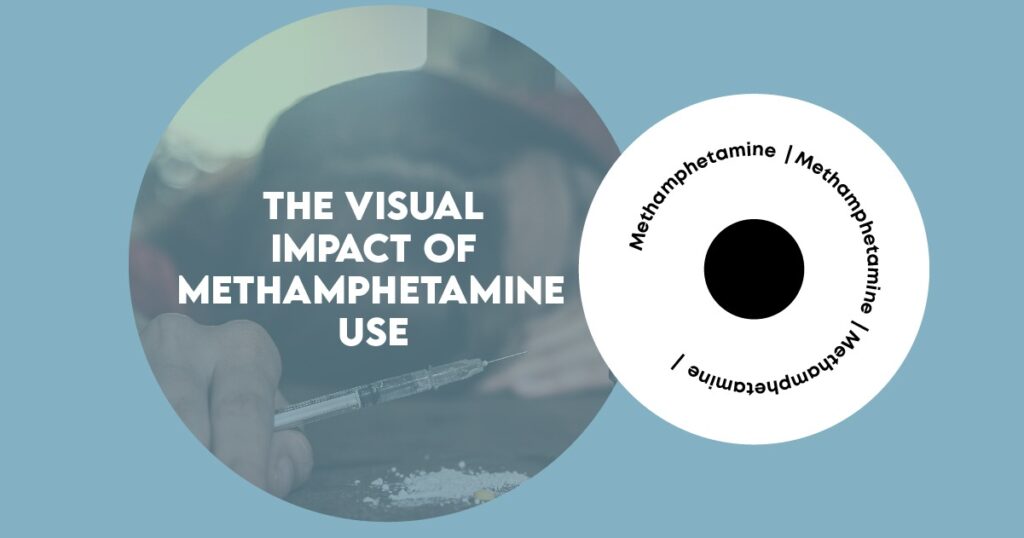
When a person poses a question such as, What does meth look like? It is usually a question of concern either about the self or somebody they love. The effects of methamphetamine can also make it a dangerous drug, not only because of how it affects the brain.
It is also hazardous because it bears a similarity to other substances. To avoid the unintentional use, recognize addiction at its initial stages, and protect the family and community, one should be aware of how to identify it.
What Does Meth Look Like? A Guide to Methamphetamine Identification
In an attempt to answer the question, “What does meth look like?”, there isn’t a single answer. Meth can also be crystalline, dull, fine, and even rock-like chunks. Since the illegal labs prepare it using various chemicals, there is a significant difference in the end product with each batch. This is the reason why the identification of methamphetamines often cannot be made by concentrating on one visual or sensory element alone.
Crystal Meth Appearance vs. Powdered Forms
The crystal meth appearance is what the majority of people imagine. It resembles smashed glass, ice crystals, or clear to cloudy crystals. These crystals may either be long and jagged or chunky. Meth in powder form tends to be normally white, off-white, or slightly yellow. It resembles flour or chalk dust.
Crystal meth is mostly smoked or injected, whereas powdered meth is mostly snorted, swallowed, or mixed in liquid. The two forms cause severe health harm and addiction despite their outward appearance.
Understanding Meth’s Physical Characteristics and Visual Signs
Meth’s physical characteristics go beyond just crystals or powder. Meth leaves residues and damages wherever it is used, and leaves stains behind. The habitual users of meth may have small baggies, glass pipes, burnt spoons, or needles. These items, as well as the drug itself, are alarming signals that something wrong has taken place.
According to SAMHSA, long-term meth use also changes how a person looks. The tooth damage, abnormal weight loss, and skin sores are typical. Such alterations occur because meth lowers the appetite, increases scratching, and restricts the blood supply to the skin. When physical decline appears alongside drug paraphernalia, it’s a strong warning sign.

Breaking Down Meth Color, Texture, and Form
Meth color may vary from clear and white to yellow, brown, or even pink. Pure meth is typically white or clear, whereas street meth is hardly ever pure. During the manufacturing process, chemicals such as battery acid, antifreeze, and drain cleaner often mix in. These change the color and make the drug more toxic.
Meth texture is hard and glassy in crystal form and soft and finely ground when crushed. Certain batches are sticky or oily due to the residual chemicals. Meth form also varies. It may appear in solid form or as a paste-like material, which is not completely dried.
The following table provides a simple comparison of how meth may appear:
| Form | Typical Look | Texture | Common Colors |
| Crystal | Shards or chunks | Hard, glass-like | Clear, white, light blue |
| Powder | Fine dust | Soft, chalky | White, yellow, brown |
| Rocks | Small solid pieces | Hard, rough | Off-white, gray |
| Paste | Damp, clumpy | Sticky | Yellowish or brown |
This variety is one reason people keep asking what meth looks like. There is no single appearance that always applies.
Recognizing Meth Smell and Other Sensory Indicators
The meth smell is another important clue. Many people describe it as strong, chemical, and unpleasant. It may smell of ammonia, cat urine, or nail polish remover. The chemicals used during production are harsh, and this is what makes this odor. The drug itself can leave a smell on clothes, furniture, and walls even when the drug is removed.
Meth could also irritate the eyes, throat, and nose, other than the smell. Individuals close to it may develop dizziness, nausea, or breathing difficulties. These fumes, according to the United States Environmental Protection Agency (EPA), are also dangerous even when they are not directly in contact.
Why Meth Appearance Varies by Production Method
Meth’s appearance varies because it’s produced in illegal labs with varying recipes. There are those labs that utilize pseudoephedrine from cold medicine, and some utilize other chemicals. The two approaches produce a slightly different product. This is why two samples of meth can look nothing alike but still be just as dangerous.
As stated by the United States Drug Enforcement Administration (DEA), such homemade methods also pose the danger of explosion and toxic waste. When you smell a strong odor of a chemical, see unusual crystal powders, or believe that it is not a drug, then it is not just a drug threat. It poses a danger to all the people around.
The Connection Between Meth Use and Physical Deterioration
One of the most devastating aspects of meth addiction is how rapidly it transforms a person’s body. Meth accelerates the nervous system, putting the heart, the skin, and the brain under a permanent strain.
Users pick their skin, causing sunken faces, rotting teeth, and open sores as time goes by. It is also stated by resources that meth can lead to severe cases of dehydration and malnutrition. That is why people who abuse meth do have a chance to appear much older than they are.
These are not only cosmetic changes. They show indicators of severe internal harm. When individuals type “what does meth look like,” they are also likely to seek to know why a loved one has changed so much.
Touchstone Recovery Center Is Here to Help You Heal
In case any of these signs ring a bell, then please understand that you are not the only one. It is not a failure or lack of discipline or willpower – addiction is a disease. These are the challenges that many people and families encounter, and they are supported throughout the journey. In case you have been worried about yourself or somebody you love, the first step to actual change will be to seek help.
Touchstone Recovery Center is a center that provides non-judgmental care based on evidence-based care and compassion that aims at healing the body and mind. You can start to live a life free of addictions and be permanently cured with personalized treatment plans and the ability to rebuild your environment.

FAQs
1. What Are the Most Common Colors of Methamphetamine?
Meth is usually clear or white, but it can also appear yellow, brown, or pink. These colors come from chemicals used during illegal production.
2. How Can You Tell the Difference Between Crystal Meth and Other Drugs?
Crystal meth looks like shiny glass or ice, while many drugs look dull or chalky. Lab testing is the only reliable way to confirm what it is.
3. Does Meth Have a Distinct Smell?
Yes, meth often smells like ammonia, chemicals, or cleaning products. This odor comes from the toxic substances used to make it.
4. What Does Meth Residue Look Like on Surfaces?
It can appear as white powder, sticky film, or oily stains. Residue may remain on tables, pipes, walls, and packaging.
5. Why Does Meth Appearance Vary So Much?
Different labs use different chemicals and methods to make meth. This changes the drug’s color, texture, and overall look.