Skip to content






Shame and guilt are two of the heaviest burdens carried by people in recovery. Long after the last drink or dose, the memories remain—broken promises, damaged relationships, lost opportunities, and moments that conflict sharply with who you truly are. These feelings can become so overwhelming that they threaten the very foundation of sobriety, creating a cycle where self-blame fuels the urge to numb the pain all over again.
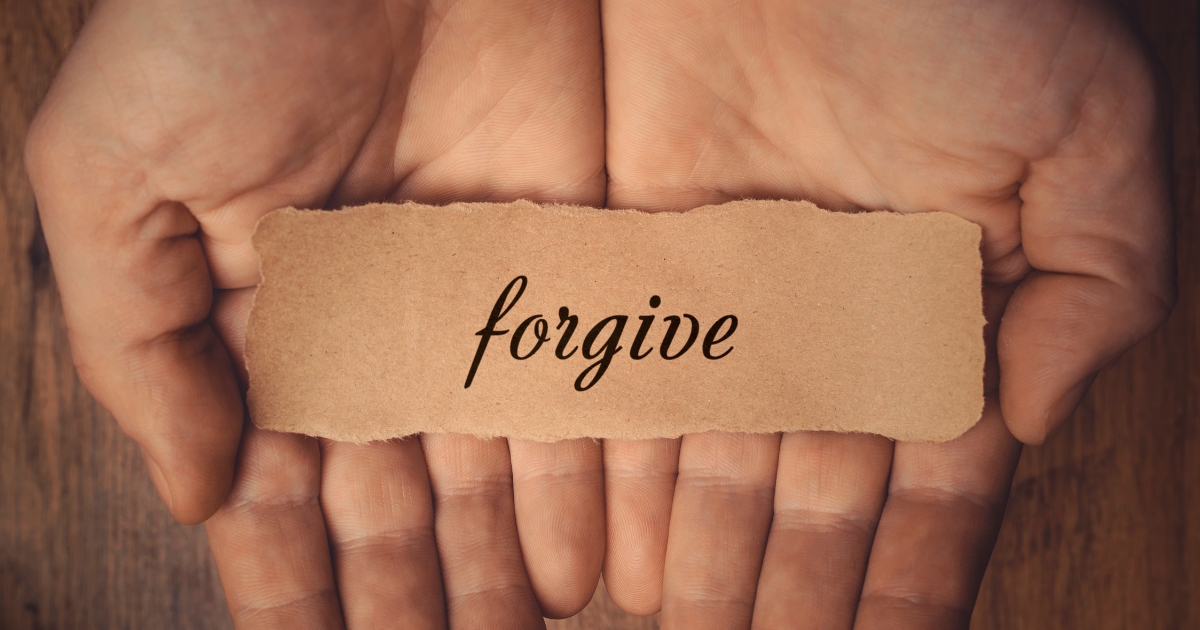
Yet learning how to forgive yourself is not only possible—it is essential for lasting recovery. This process transforms shame into accountability, regret into growth, and self-condemnation into compassion. It takes time, intention, and often professional support, but it opens the door to a life where past mistakes no longer define your future.
Why Forgiving Yourself After Addiction Feels Impossible
The brain processes shame and guilt differently, and addiction amplifies both. Guilt arises when you recognize that a specific action caused harm—it focuses on behavior. Shame, however, attacks your sense of self, whispering that you are fundamentally broken or unworthy. Neuroscience shows that shame activates brain regions associated with physical pain, explaining why it feels unbearable.
Overcoming guilt and shame requires understanding how these emotions differ and why addiction intensifies both. Addiction often involves actions that violate core values—lying to loved ones, stealing, neglecting responsibilities, or causing emotional harm. These behaviors create a deep conflict between who you are and what you did, making it difficult to separate your identity from your actions.
What Self-Forgiveness Actually Means in Recovery
What does it mean to forgive yourself? It is not about excusing harmful behavior, forgetting what happened, or pretending the past doesn’t matter. True self-forgiveness involves accepting full responsibility for your actions while refusing to let those actions define your entire identity. It means acknowledging the harm caused, making amends where possible, and committing to different choices moving forward—all without collapsing into self-destruction.
Self-compassion practices align closely with the principles found in 12-step programs. Yet amends work becomes hollow if it is driven by shame rather than genuine repair. Self-forgiveness allows you to approach amends from a place of strength and humility, not self-punishment.
Research shows measurable benefits:
- Reduced symptoms of depression and anxiety, creating emotional stability that supports sobriety.
- Lower relapse rates, as self-compassion decreases the urge to numb shame through substance use.
- Improved relationships with family and friends, as letting go of past mistakes frees emotional energy for connection.
- Enhanced emotional regulation, allowing individuals to respond to triggers without spiraling into self-blame.
- Stronger overall recovery outcomes, including higher treatment retention and greater engagement in aftercare.
| Barrier | How It Shows Up | Path Forward |
|---|---|---|
| Perfectionism | Believing you must be flawless to deserve forgiveness | Embrace progress over perfection; celebrate small wins |
| Belief in Deserved Suffering | Thinking ongoing self-punishment balances past harm | Recognize that healing serves everyone, including those you hurt |
| External Judgment | Internalizing others’ refusal to see your growth | Set boundaries; seek supportive community |
| Unresolved Trauma | Childhood wounds that predate addiction fuel shame | Engage trauma-informed therapy to address root causes |
Steps to Stop Blaming Yourself and Move Forward
Self-forgiveness techniques are most effective when they combine clinical psychology with recovery-specific practices. The following framework offers a roadmap for releasing self-blame while honoring the seriousness of past actions.
Acknowledge Actions and Separate Identity From Addiction
Begin by naming what you did and the impact it had. The key is to focus on behavior—”I lied to my partner about using” or “I missed my child’s birthday because I was high”—rather than identity statements like “I am a terrible person.” This distinction allows you to take responsibility without internalizing shame as a permanent identity. You are not your worst moments. Addiction hijacks decision-making; it is not a moral failing. This reframe is foundational to forgiving yourself without excusing harm.
Practice Self-Compassion Through Guided Exercises
Write a letter to your past self—the person who was struggling and using substances to cope. This practice helps you learn how to forgive yourself by extending compassion to the version of you who was in pain. Loving-kindness meditation, which involves silently repeating phrases like “May I be safe, may I be peaceful, may I be kind to myself,” can also soften the inner critic over time. These practices train the brain to respond with care rather than cruelty.
Make Amends Where Possible and Accept What Cannot Be Changed
When safe and appropriate, reach out to those you harmed with a sincere apology, without expecting forgiveness. Some relationships may heal; others may not. Some amends may cause more harm than good, and in those cases, the best amend is changed behavior. Accept that some relationships may never heal, and that changed behavior is the truest amend. Learning how to forgive yourself means making peace with outcomes you cannot control.
Challenge Shame-Based Thoughts With Evidence-Based Cognitive Restructuring
Shame thrives on distorted thinking—overgeneralizations, catastrophizing, and all-or-nothing beliefs. Cognitive-behavioral therapy (CBT) teaches you to replace these patterns with balanced thoughts. CBT teaches you to reframe thoughts like “I ruined everything and can never be trusted again” as “I made serious mistakes, and I am now rebuilding trust through consistent action.” This cognitive restructuring is central to how to forgive yourself.
Forgive Yourself for Relapse as Part of the Recovery Process
Relapse is common in recovery, yet it often triggers intense self-blame that can derail progress. If you relapse, the most important step is to treat yourself with compassion rather than punishment. Research shows that self-compassion after relapse predicts better long-term outcomes than harsh self-criticism. Reach out for support immediately, reflect on what led to the relapse without spiraling into shame, and recommit to your recovery plan.
| Self-Forgiveness Stage | Key Focus | Common Challenge |
|---|---|---|
| Acknowledgment | Naming specific actions and their impact without self-condemnation | Slipping into global shame statements |
| Responsibility | Owning harm caused while recognizing addiction as illness | Confusing accountability with self-punishment |
| Compassion | Treating yourself with kindness during the healing process | Believing self-compassion equals letting yourself off the hook |
| Action | Making amends and committing to different choices | Expecting immediate forgiveness from others |
| Integration | Living in alignment with values and releasing the past | Replaying old mistakes during moments of stress |

Turning the Page on Shame at Touchstone Recovery Center
Self-forgiveness is not a solitary journey, and seeking professional support is an act of courage, not weakness. When shame feels insurmountable or when the process feels impossible alone, trauma-informed therapy can address the deeper wounds that fuel self-blame. At Touchstone Recovery Center, clinicians understand that healing requires a compassionate reckoning with the past and commitment to building a life rooted in self-respect.
Evidence-based approaches like Eye Movement Desensitization and Reprocessing (EMDR) help process shame at the neurological level, reducing the emotional charge of painful memories. Cognitive-behavioral therapy offers practical tools for challenging distorted thoughts and building healthier internal narratives. Group therapy creates a space where shared experiences dissolve isolation, reminding you that you are not alone in your struggle. These modalities work together to support the difficult, essential work of learning how to move on from regret and reclaim your sense of self-worth.
If you or someone you love is ready to begin this healing process, Touchstone Recovery Center offers comprehensive care designed to meet you where you are, with treatment options that support lasting recovery. Contact the admissions team today to take the next step in your recovery journey.
FAQs
The following questions address common concerns regarding forgiving yourself after addiction.
1. Why is forgiving yourself so hard after addiction?
Addiction often involves actions that deeply conflict with your core values, creating intense shame that the brain holds onto as protection against future harm. Additionally, societal stigma around addiction reinforces the false belief that you are fundamentally flawed rather than someone who struggled with a chronic condition. The brain’s negativity bias keeps painful memories vivid, making it difficult to separate your identity from your past behavior.
2. How long does it take to forgive yourself?
Self-forgiveness is a process, not a single event, and the timeline varies based on trauma history, support systems, and therapeutic intervention. Most people in recovery notice meaningful shifts within six to 12 months of consistent self-compassion practices and professional support. Patience with yourself during this process is essential, as healing unfolds in layers rather than all at once.
3. Can you forgive yourself without making amends to others?
While making amends is valuable when safe and possible, self-forgiveness does not require others’ forgiveness first. Some people you have harmed may never forgive you, and some amends could cause more harm than good. Self-forgiveness focuses on your internal healing and changed behavior moving forward, recognizing that you cannot control others’ responses but can control your own growth.
4. What if I relapse after working on self-forgiveness?
Relapse does not erase your self-forgiveness work; it is an opportunity to practice compassion more deeply by treating yourself with care rather than punishment. Research shows that self-compassion after relapse actually predicts better long-term recovery outcomes than harsh self-criticism. Reach out for support immediately, reflect without spiraling into shame, and recommit to your recovery plan with renewed intention.
5. How do I know if I need professional help with self-forgiveness?
Seek professional support if shame prevents you from functioning daily, if you experience thoughts of self-harm, if self-blame triggers substance cravings, or if you have tried self-forgiveness techniques for months without relief. If you or someone you know is in crisis, call or text 988 to reach the Suicide & Crisis Lifeline, available 24/7. Trauma-informed therapy can address deeper wounds that self-help alone cannot reach, providing the structured support necessary for lasting healing.