Skip to content




Tizanidine is a medication often prescribed to help manage muscle spasticity and promote short-term pain relief. Yet many potential users of this medication are concerned about its origin and the risks associated with taking it. One of the most common questions people have is, is tizanidine an opioid? To answer this question, we will review what tizanidine is, how it works, and what side effects it may have. Understanding whether tizanidine belongs to the opioid class of drugs is crucial for patient safety.
There are many differences between tizanidine and opioid drugs—from their chemical structure to their mechanism of action. While tizanidine is not an opioid, it can still cause a few adverse effects and may not be suitable for certain patients, for instance, pregnant women. Keep our guide to tizanidine at hand to familiarize yourself with the benefits of this medication and learn when to seek medical assistance in case the consumption of tizanidine negatively affects your health.
What Is Tizanidine?
Tizanidine is a muscle relaxant prescribed to treat muscle spasms and spasticity. It is often recommended to patients who suffer from multiple sclerosis, back pain, or injuries that lead to muscle tension. This medication targets the nervous system, blocking nerve impulses that may be responsible for muscle tightness and discomfort.
In most cases, tizanidine is administered orally in the form of a tablet or capsule. The exact dosage of the medicine will depend on the diagnosis of the patient and their medical history—a healthcare provider will be able to advise you based on your unique circumstances. Typically, tizanidine is prescribed for a short period of time—from a few days to several weeks.
What Are Opioids?
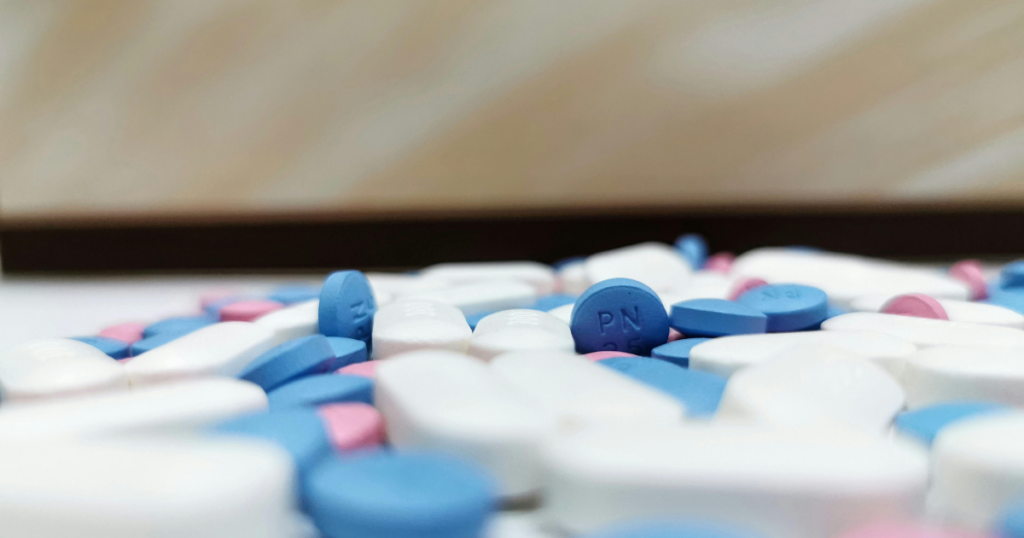
Opioids are a class of drugs usually used for pain relief. Drugs that contain opiates—natural compounds derived from the opium poppy plant—are widely used in medicine to alleviate pain. They work by interacting with opioid receptors found in the brain, spinal cord, and gut, blocking pain signals and affecting the areas of the brain responsible for emotions.
While opioids are known for their powerful painkilling properties, their consumption is not without risk. On one hand, opioids may make a patient feel euphoric and relaxed; on the other hand, these drugs are highly addictive. In addition, it is not rare to build up a tolerance to opioids—patients may feel the need to increase the dosage to achieve the same effect, which may lead to an overdose.
Is Tizanidine Considered an Opioid?
No, tizanidine is not an opioid. It belongs to a different class of drugs—alpha-2-adrenergic agonists. Tizanidine is not meant to bind to the receptors in the brain to modify the perception of pain as opioids do—instead, this medication slows down the brain and gives the muscles an opportunity to relax.
Nonetheless, tizanidine is sometimes used as an alternative to opioids. Since this drug is not addictive, it may be a better option for a patient whose medical history contains substance abuse or addiction to painkillers. If you are worried about the addiction potential of opioids, talk to your doctor—they may prescribe tizanidine to treat your condition.
Potential Side Effects of Tizanidine
Here are some of the common adverse effects you may experience after taking tizanidine:
- Drowsiness. You may feel sleepy and fatigued during the day—it is recommended to reduce strenuous activities that require focus and concentration when you are taking tizanidine.
- Dry Mouth. Like many medications, tizanidine may lead to a decreased production of saliva. Drink a lot of water, use mouthwash, and eat sugar-free candy to address this issue.
- Low Blood Pressure. Tizanidine may lower your blood pressure, especially if you are taking it together with antihypertensive medications. Watch out for symptoms of hypotension, such as dizziness, nausea, blurry vision, and lack of concentration.
- Stop taking tizanidine and seek medical help if you have trouble breathing, develop a rash on your skin, or feel disoriented after taking the drug.
Tizanidine vs. Opioids: Key Differences
There are several distinctions to keep in mind:
- Drug Category. While opioids are either natural or synthetic drugs, tizanidine is a synthetic medication that does not contain opiates.
- Addiction Potential. Tizanidine is not an addictive drug, contrary to opioids that are notorious for their addictive properties.
- Method of Work. Opioids affect the brain receptors to change the way a person feels pain, while tizanidine targets muscle tone by interacting with the nervous system.
FAQs About Tizanidine and Opioids
What Is Tizanidine Used For?
Tizanidine is a muscle relaxant prescribed to treat muscle spasms and spasticity. It is often recommended to patients who suffer from multiple sclerosis, back pain, or injuries that lead to muscle tension.
What Are Opioids?
Opioids are a class of drugs usually used for pain relief. Drugs that contain opiates—natural compounds derived from the opium poppy plant—are widely used in medicine to alleviate pain.
Is Tizanidine an Opioid?
No, tizanidine is not an opioid. It belongs to a different class of drugs—alpha-2-adrenergic agonists. Tizanidine is not meant to bind to the receptors in the brain to modify the perception of pain as opioids do—instead, this medication slows down the brain and gives the muscles an opportunity to relax.
Can You Take Tizanidine and Opioids at the Same Time?
It is not advised to combine the two drugs. Taking tizanidine and opioids simultaneously increases the risk of dangerous side effects—you may feel drowsy and dizzy and even fall into a coma.

What Are the Side Effects of Tizanidine?
Some of the most common side effects of tizanidine are drowsiness, dry mouth, and low blood pressure. In rare cases, patients have an allergic reaction to the drug—if you have trouble breathing after taking tizanidine, go to the hospital.
Stay Informed and Make the Best Choices for Your Health
Understanding the differences between medications like tizanidine and opioids empowers you to make informed decisions about your treatment. However, if you or someone you love is struggling with dependence on prescription medications, opioids or other substances, professional support can make all the difference in achieving lasting recovery. Touchstone Recovery Center offers comprehensive addiction treatment programs designed to address the physical, emotional and psychological aspects of substance dependence. Our compassionate team provides medically supervised detoxification, evidence-based therapies and personalized treatment plans tailored to each individual’s unique needs and circumstances. Whether you’re concerned about prescription medication misuse or facing addiction challenges, we’re here to help you build a foundation for a healthier future. Contact Touchstone Recovery Center today to speak with our admissions team and learn how our programs can support your journey toward recovery and wellness.