Skip to content






Key Takeaways
- Early alcoholism symptoms include tremors, rising tolerance, blackouts, and drinking to cope with stress or difficult emotions.
- Physical warning signs, including liver damage, can develop quietly before a person admits there is a problem.
- Alcohol withdrawal ranges from mild to life-threatening, and severe cases may involve seizures or delirium.
- Medically supervised detoxification is often the safest first step for people with heavy, long-term drinking, followed by addiction treatment that addresses root causes.
- Touchstone Recovery Center in Fresno offers detox, residential, partial hospitalization, and intensive outpatient programs, along with family support.
Alcohol use disorder rarely appears overnight. It usually develops gradually, through small changes that are easy to dismiss: an extra drink to unwind, a morning headache that becomes routine, or a missed obligation explained away. Over time, these patterns can turn into physical and psychological dependency.
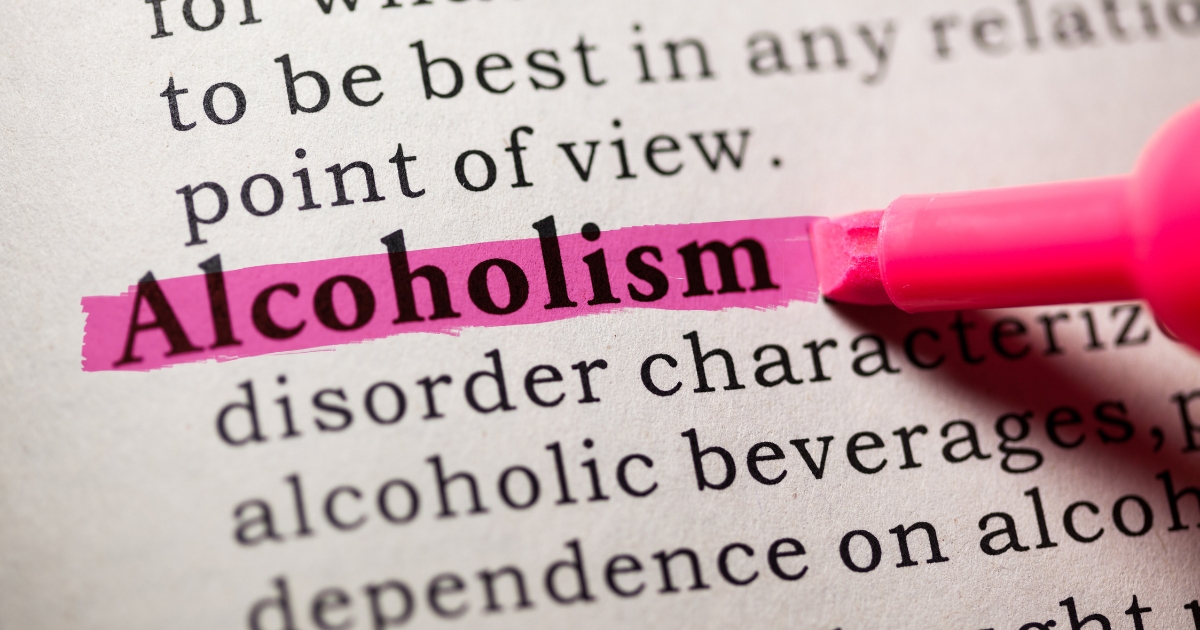
The National Institute on Alcohol Abuse and Alcoholism (NIAAA) describes alcohol use disorder (AUD) as a medical condition that makes it hard to stop or control drinking despite negative consequences. It can be mild, moderate, or severe. Recognizing alcoholism symptoms early can change the course of a person’s health, relationships, and future. This guide covers the physical, behavioral, and psychological signs to watch for, what alcohol withdrawal looks like, and how professional addiction treatment helps.
Physical Signs of Alcoholism That Appear Early
Physical alcoholism symptoms often show up before the person drinking is ready to admit there is a problem. Early signs can include frequent hangovers, poor sleep, nausea, low energy, and a growing tolerance, meaning it takes more alcohol to feel the same effect.
Tremors and Involuntary Movements as Warning Indicators
Shaky hands, especially in the morning or several hours after the last drink, are one of the clearest warning signs. These tremors happen because the brain has adapted to alcohol’s constant presence. When alcohol levels drop, the nervous system becomes overactive, which can cause shaking, sweating, restlessness, and a racing heart.
Some people drink in the morning to steady their hands. This relieves the tremors briefly but deepens dependency. If tremors appear between drinks, the body has likely become physically reliant on alcohol, and a medical evaluation is the right next step.
Liver Damage Markers You Shouldn’t Ignore
The liver breaks down most of the alcohol a person drinks, so it absorbs much of the harm. Liver damage can develop for years without obvious symptoms, which is why liver function blood tests matter for anyone who drinks heavily.
According to MedlinePlus, early signs of alcoholic liver disease can include:
- Loss of energy
- Poor appetite and weight loss
- Nausea and belly pain
- Small, red, spider-like blood vessels on the skin
As liver function worsens, people may notice yellowing of the skin or eyes (jaundice), swelling in the legs or abdomen, easy bruising, and confusion. Over time, scarring and cirrhosis can develop. The good news is that alcoholic liver disease is treatable when it is caught before severe damage occurs.
Behavioral Changes and Alcohol Abuse Patterns
Alcohol abuse often shows up first in daily habits. Friends, family, and coworkers may notice changes before the person drinking does. Common behavioral warning signs include:
- Drinking more, or for longer, than intended
- Wanting or trying to cut back without success
- Hiding alcohol or drinking alone
- Neglecting work, school, or family responsibilities
- Giving up hobbies and activities to drink
- Drinking in risky situations, such as before driving
- Continuing to drink despite relationship, legal, or health problems
Blackouts and Memory Loss During Drinking Episodes
A blackout is a gap in memory for events that happened while drinking. During a blackout, a person is still awake and may talk, walk, and make decisions, but the brain is not forming new memories. NIAAA’s research summary on blackouts links them to a rapid rise in blood alcohol concentration, which often happens with binge drinking, drinking quickly, or drinking on an empty stomach.
A blackout does not prove someone has alcohol use disorder, but even one is a reason for concern. Repeated blackouts point to a pattern of heavy, fast drinking that sharply increases the risk of injuries and other harms.
Psychological Symptoms of Alcohol Dependency
Alcohol dependency affects the mind as much as the body. Over time, the brain begins to rely on alcohol to manage mood, stress, and sleep. Psychological symptoms may include:
- Strong cravings or constant thoughts about the next drink
- Anxiety, irritability, or low mood when not drinking
- Using alcohol to cope with stress, grief, or loneliness
- Defensiveness or denial when others mention drinking
- Guilt or shame after drinking episodes
Alcohol use and mental health conditions often fuel each other. Depression, post-traumatic stress disorder, and other psychiatric conditions are linked to a higher risk of AUD. Effective treatment addresses these issues together rather than separately.
Withdrawal Symptoms When Alcohol Consumption Stops
Alcohol withdrawal can happen when someone who drinks heavily and regularly suddenly stops or cuts back. It is one of the clearest signs of physical dependency, and it ranges from uncomfortable to life-threatening.
Understanding the Body’s Physical Response to Cessation
Alcohol slows down the central nervous system. With long-term use, the brain compensates by producing more excitatory signals. When alcohol is removed, that overactivity is no longer held in check.
A clinical review of alcohol withdrawal syndrome published through the National Library of Medicine notes that symptoms can begin within hours of the last drink and tend to peak around 72 hours. Common symptoms include:
- Tremors and sweating
- Anxiety, agitation, and insomnia
- Headache
- Nausea and stomach discomfort
- Rapid heartbeat and high blood pressure
Some people develop hallucinations or seizures. Withdrawal seizures typically occur between 8 and 48 hours after the last drink. The most severe form, alcohol withdrawal delirium (formerly called delirium tremens, or DTs), can appear several days after stopping and includes confusion, fever, and agitation. It is a medical emergency.
Managing Discomfort During the Initial Stages
Most withdrawal cases are mild, but symptoms can progress quickly. People with a history of withdrawal seizures or delirium face a higher risk, and repeated withdrawal episodes tend to become more severe. That is why anyone who drinks heavily should talk with a medical professional before stopping.
In a supervised setting, clinicians use standardized scales to track symptoms and can prescribe medications that make withdrawal safer and more comfortable. They also give thiamine and other nutrients, since people with heavy drinking histories are often nutritionally deficient. If someone in withdrawal has a seizure, becomes confused, or sees or hears things that are not there, call 911 right away.
How Addiction Treatment Addresses Root Causes
Stopping drinking is only the beginning. Lasting recovery depends on understanding why the drinking started and what keeps it going. Evidence-based addiction treatment can include:
- Behavioral therapies: Counseling with licensed therapists helps people build motivation, recognize triggers, and develop coping skills.
- Care for co-occurring conditions: Treating depression, anxiety, or trauma alongside drinking addresses issues that often drive alcohol use.
- Medications: Three FDA-approved medications, naltrexone, acamprosate, and disulfiram, can help people reduce or stop drinking.
- Family involvement: Including loved ones helps repair relationships and strengthens the support system.
- Relapse prevention planning: A clear plan for high-risk situations prepares people for life after treatment.
Detoxification as the First Step Toward Recovery
Detoxification is the process of safely clearing alcohol from the body while managing withdrawal symptoms. For people with moderate to severe dependency, medically supervised detox is often the safest way to begin recovery.
What Happens During Medical Supervision
During medically supervised detox, the care team typically:
- Completes a health assessment, including drinking history, past withdrawal episodes, and other medical conditions
- Checks symptoms and vital signs frequently
- Provides medications to ease symptoms and lower the risk of seizures and delirium
- Supports nutrition and hydration
- Builds a plan for the next stage of treatment
Detox alone does not treat addiction. It creates a stable foundation for the therapy and support that follow.
Getting Support at Touchstone Recovery Center
If you recognize these alcoholism symptoms in yourself or someone you love, you don’t have to face them alone. For more than 20 years, Touchstone Recovery Center has helped individuals and families across California’s Central Valley recover from drug and alcohol addiction through compassionate, professional, and confidential care.
Our Fresno programs include medically supervised detox, residential inpatient treatment, a partial hospitalization program (PHP), an intensive outpatient program (IOP), and family support, so you can find the level of care that fits your needs.
Take the first step today. Contact Touchstone Recovery Center or call 559-298-6711 to talk with our team about your options.

FAQs
-
How long does alcohol withdrawal take after stopping drinking?
Symptoms can begin within hours of the last drink and usually peak around 72 hours. Seizures most often occur between 8 and 48 hours, while alcohol withdrawal delirium can develop several days later. Because serious complications can appear days after stopping, medical monitoring through this period is important for people at higher risk.
-
Can liver damage from alcoholism reverse with sobriety and treatment?
Often, yes, when it is caught early. Alcoholic liver disease is treatable before it causes severe damage, and stopping drinking is the most important step. When scarring is advanced, the liver cannot fully heal, but sobriety still helps prevent further harm.
-
Why do blackouts happen more frequently as alcohol dependency progresses?
Blackouts are tied to rapid spikes in blood alcohol concentration, which commonly happen with binge drinking and fast drinking. As dependency progresses, many people drink larger amounts in shorter periods, so those spikes happen more often. Frequent blackouts signal that drinking has become more dangerous.
-
What’s the difference between alcohol abuse and clinical alcohol dependency?
Alcohol abuse has traditionally described harmful drinking that causes problems at work, at home, or with health. Dependency adds physical reliance, such as tolerance, cravings, and withdrawal symptoms. Today, clinicians use a single diagnosis, alcohol use disorder, rated as mild, moderate, or severe based on the number of symptoms present.
-
Does medical detoxification reduce severe withdrawal symptoms and complications?
Yes. Clinical guidance supports treating moderate to severe withdrawal in a monitored setting, where professionals reassess symptoms often and adjust medications as needed. Prompt medication treatment lowers the risk of progression to severe withdrawal. Medical detox is especially important for people with a history of seizures or delirium.
Medical disclaimer: This article is for educational purposes only and is not a substitute for professional medical advice, diagnosis, or treatment. If you or someone you know is in immediate danger, call 911.
References
- National Institute on Alcohol Abuse and Alcoholism. (2025). Understanding alcohol use disorder. National Institutes of Health.
- National Institute on Alcohol Abuse and Alcoholism. (2025). Interrupted memories: Alcohol-induced blackouts. National Institutes of Health.
- MedlinePlus. (2025). Alcoholic liver disease. U.S. National Library of Medicine.
- Canver, B. R., Newman, R. K., & Gomez, A. E. (2024). Alcohol withdrawal syndrome. In StatPearls. U.S. National Library of Medicine.